
Carnets
d'Atelier.
Reflections on craft, material, and the slow work of making things that endure. Written by hand from a workshop in Siem Reap.
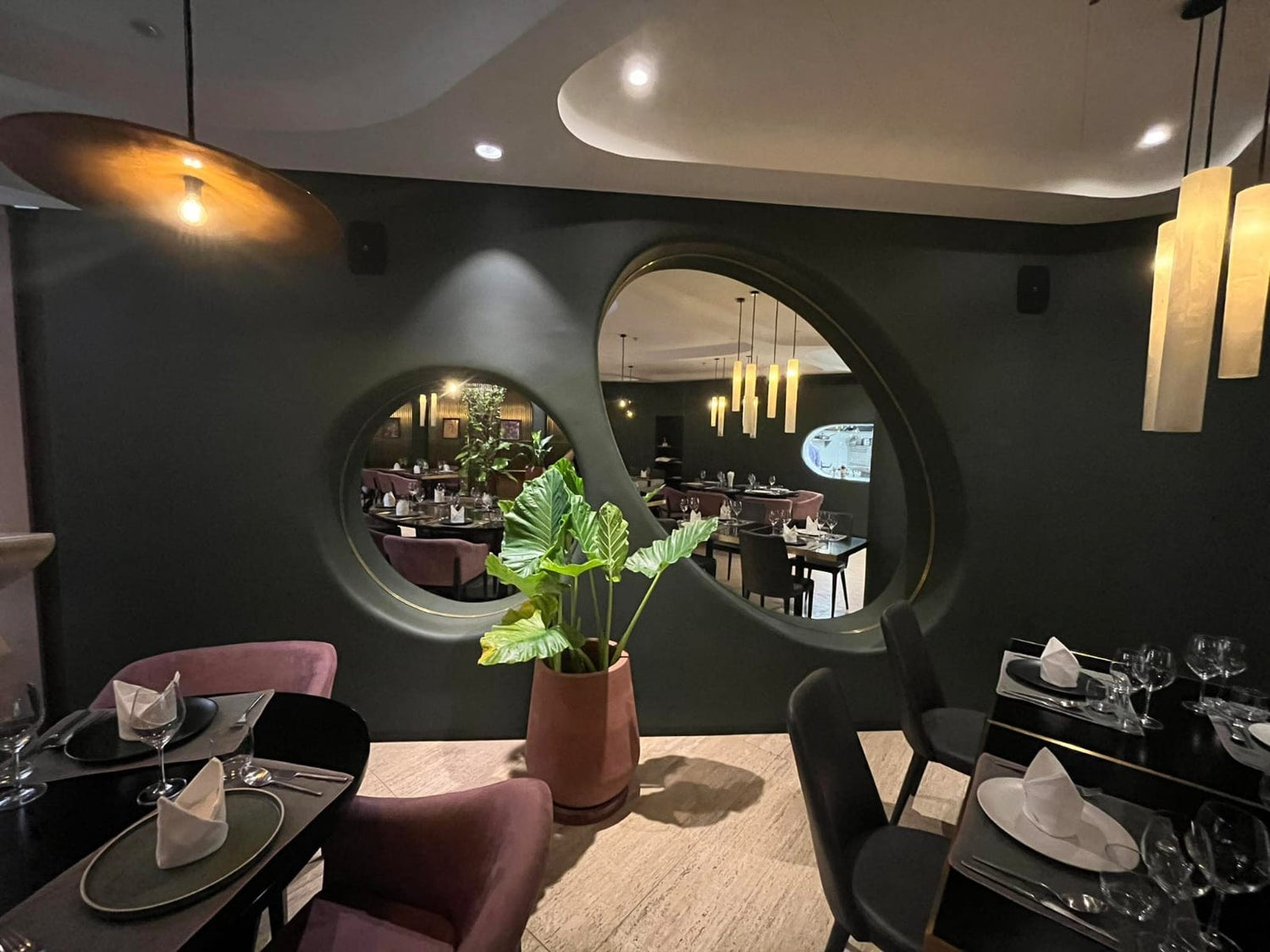
How Lacquer Wall Art Is Made: From Tree Sap to Finished Panel
A lacquer wall panel is not painted; it is grown. Twenty to fifty layers of natural Cambodian lacquer, each curing for days under controlled humidity. The full process explained, step by step.
Read the carnet →The journal in four columns
Read by pillar.
Materials
Lacquer, eggshell, gold leaf, straw — what we work with, and why.
People
The hands of the workshop and the masters who taught them.
Place
Siem Reap, Kampong Thom, Pre Rup — the geography of the work.
History
The lineage of lacquer, from 13th-c. Paris to Cambodia.
All entries
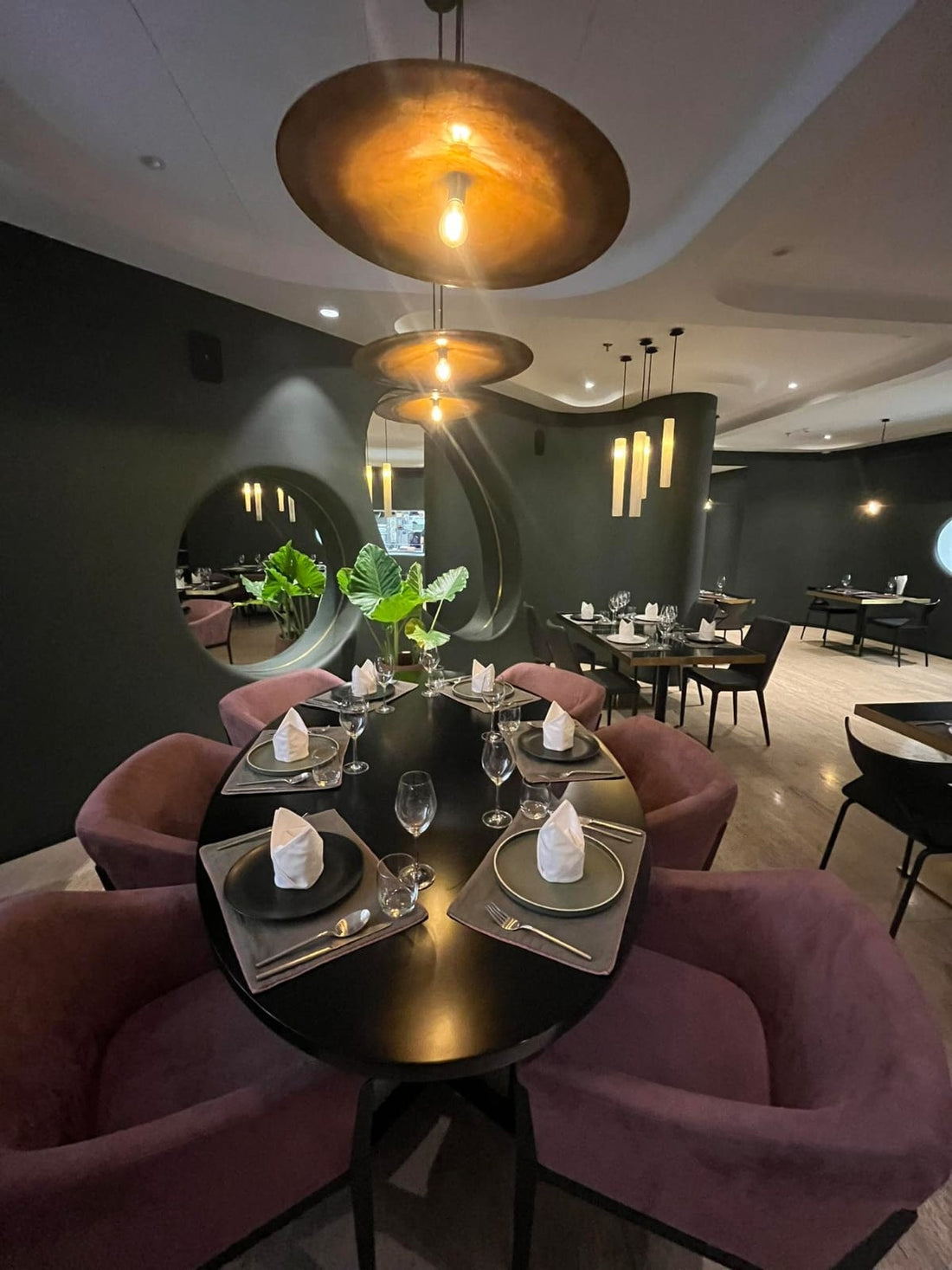
What Is Lacquer Art? Materials, Process, and Why It Lasts
Lacquer is not a colour or a coating. It is the cured sap of a single tree species, applied in twenty to fifty layers over months. A short...
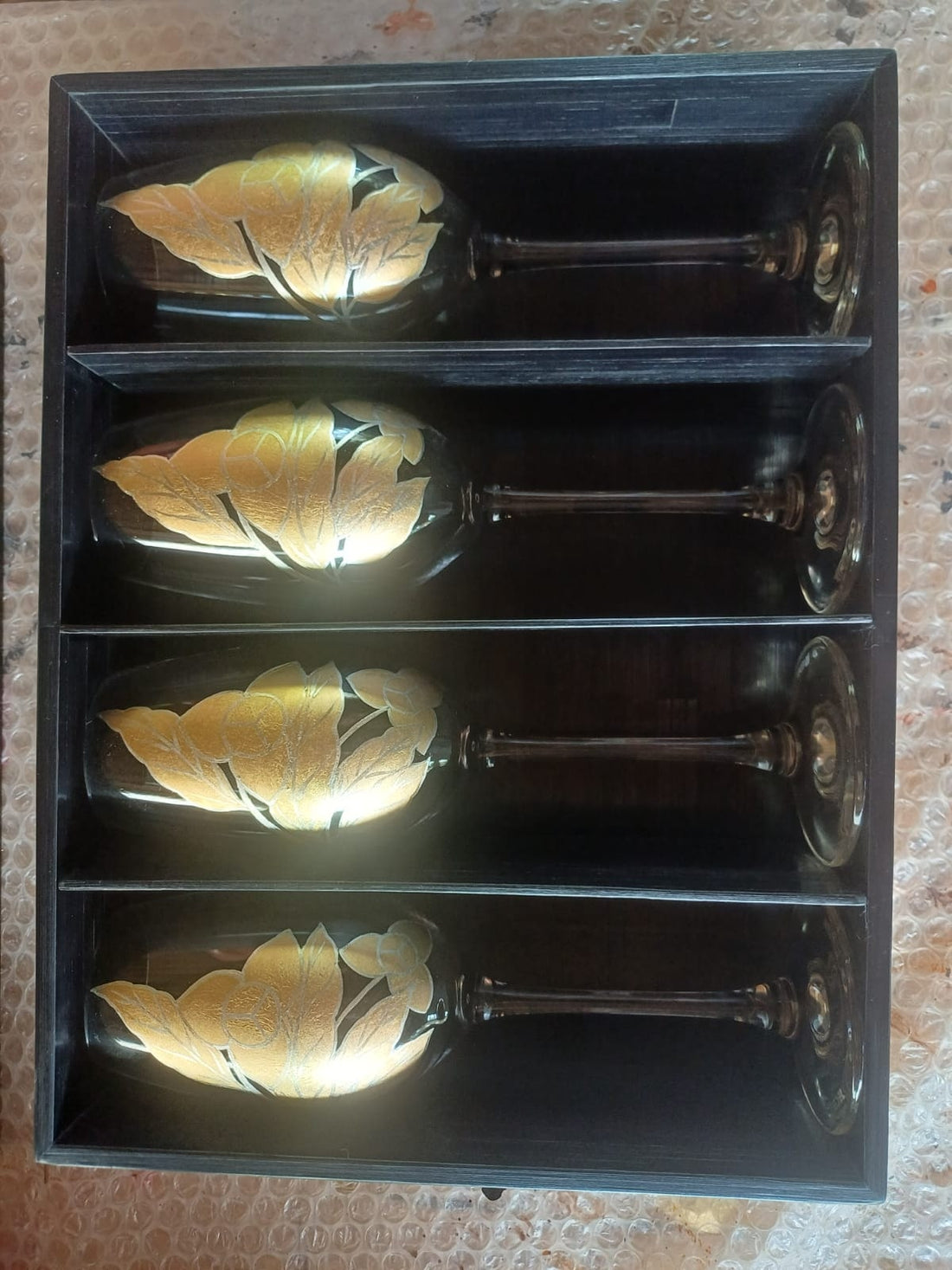
Gold Leaf: The Language of Light
24-karat gold leaf, thinner than a whisper. The same water gilding technique used in French cathedrals and Khmer temples for a thousand years. Timing, pressure, breath — there...
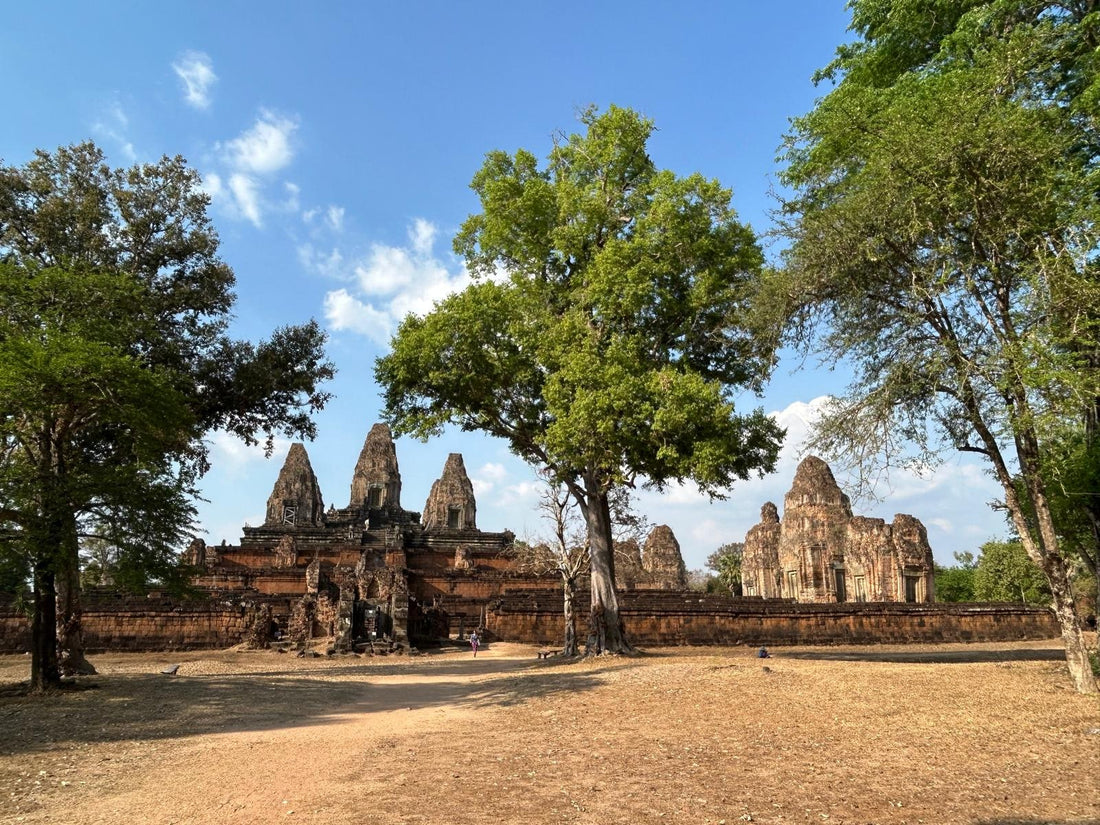
The Buddhas of Prè Rup
In 2018, the APSARA Authority invited Eric Stocker to train conservation professionals at Prè Rup temple. Ancient techniques preserving ancient art — lacquer in the service of Angkor.
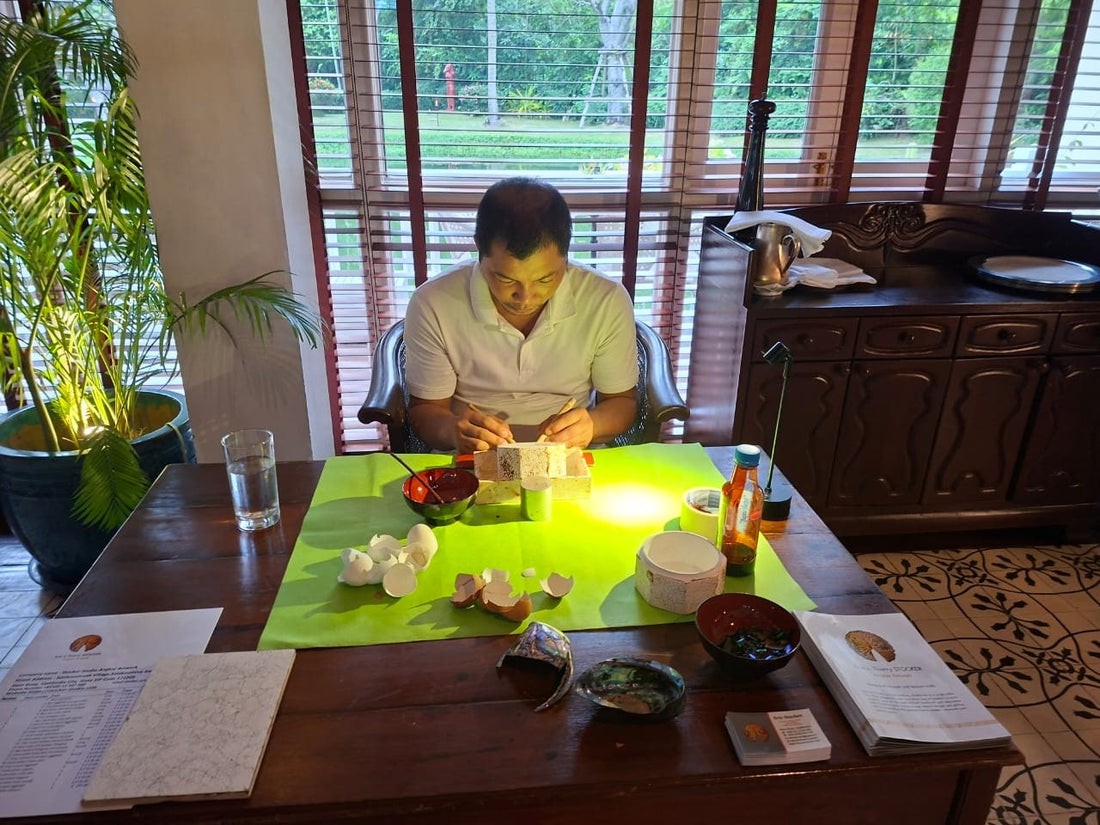
Eggshell: A Grain at a Time
Crushed eggshell becomes mosaic. Fragments smaller than a grain of sand, placed with tweezers into wet lacquer, one by one. Thousands per piece. Patterns like cracked earth, like...
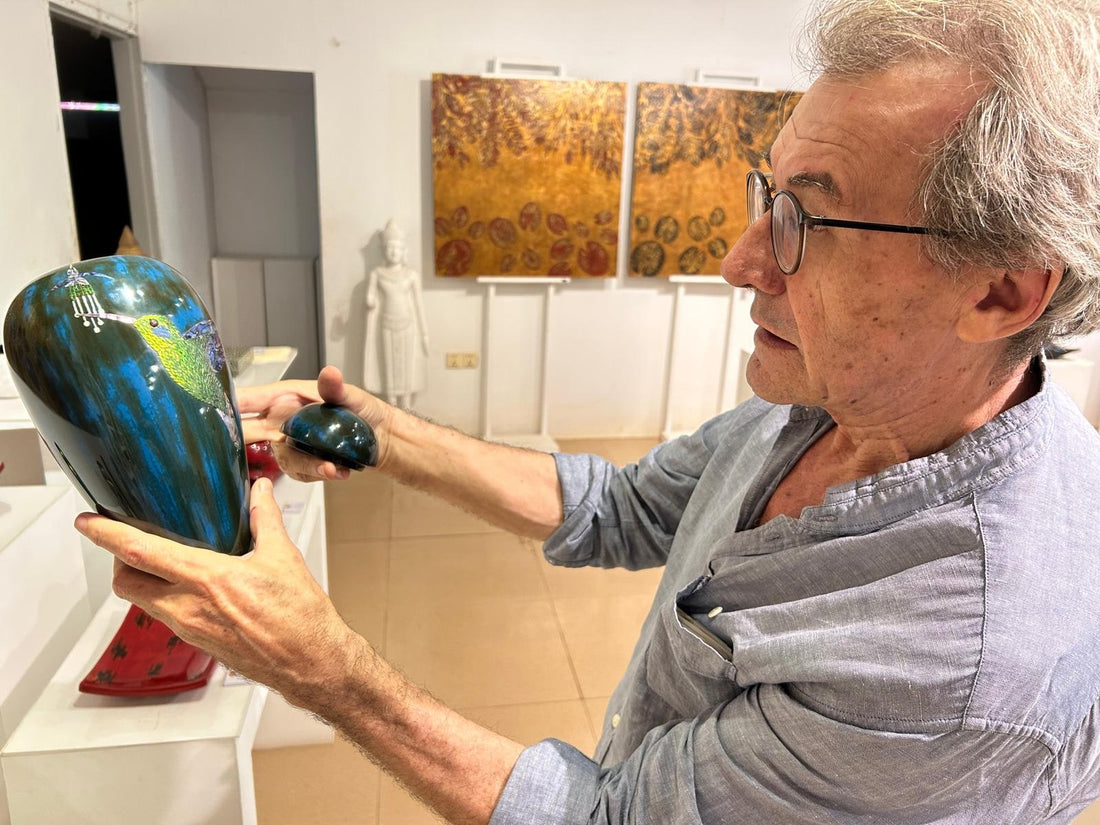
Twenty-Five Years at the Mobilier National
How Eric Stocker spent 25 years restoring Imperial Chinese and Japanese lacquer for France's national museums — and what that taught him about permanence.
Lacquer: A Documentary
Community First follows the journey of lacquer from raw sap to finished masterpiece. A craft that has survived centuries, told through the hands that keep it alive.
Thirty Layers of Patience
Each piece receives twenty to fifty coats of natural lacquer. Each coat cures for three to seven days. There is no way to accelerate the process. The lacquer...
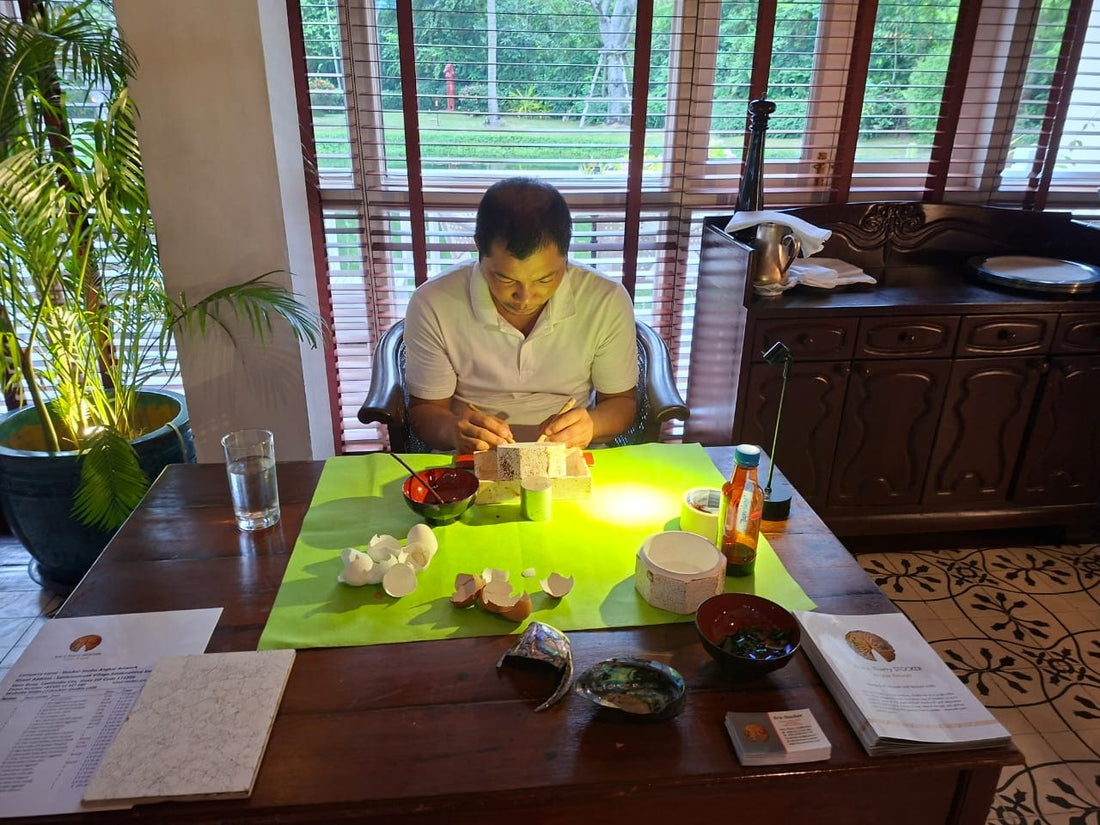
350 Hands, One Craft
It began with twelve apprentices. Over a decade, Eric Stocker trained over 350 Cambodian artisans in lacquer, gilding, and polychrome. Many were deaf youth — and they became...
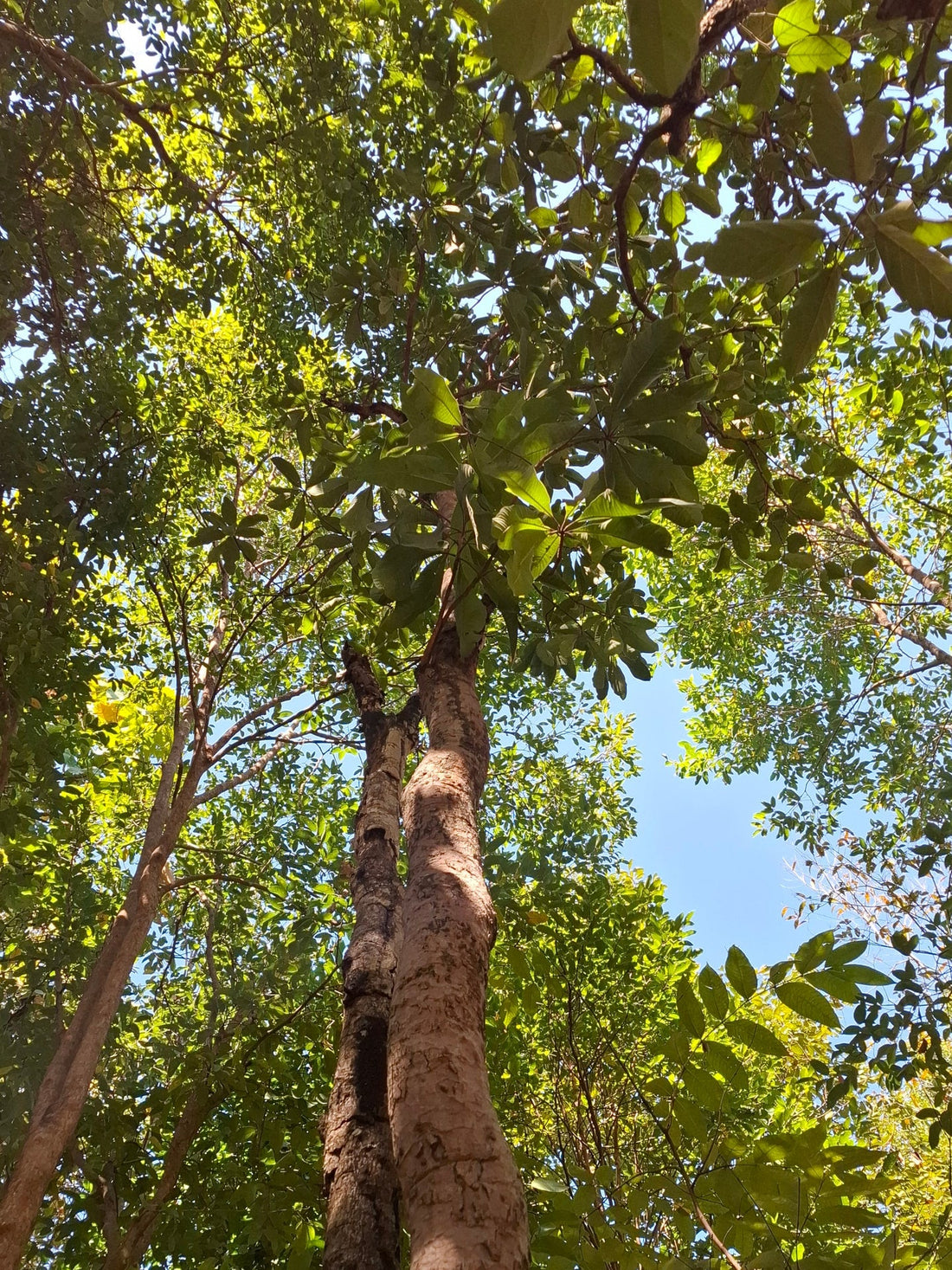
The Lacquer Trees of Kampong Thom
When Eric Stocker arrived in Cambodia in 1998, he found a thousand-year lacquer tradition barely alive. Six families still knew how to harvest the sap of Gluta laccifera....
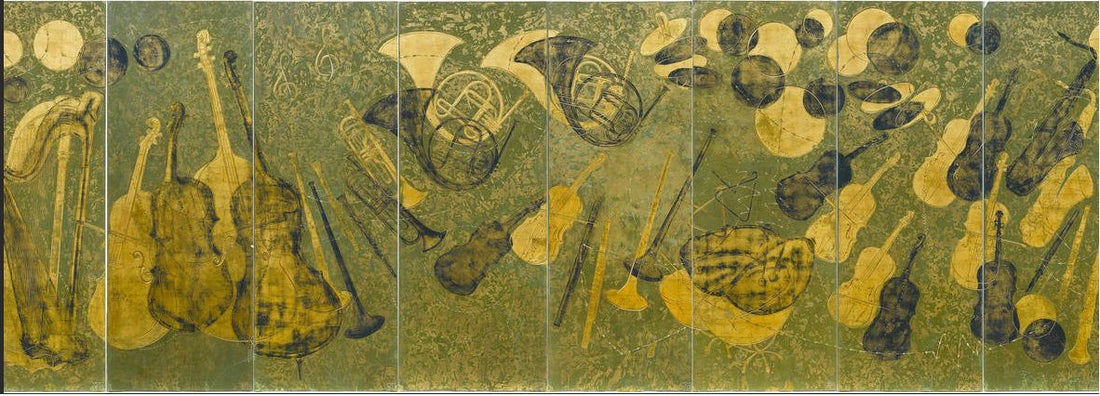
Pierre Bobot: The Master's Master
In 1974, a young Eric Stocker began his apprenticeship under Pierre Bobot — painter, lacquer artist, and one of the last living links to the golden age of...
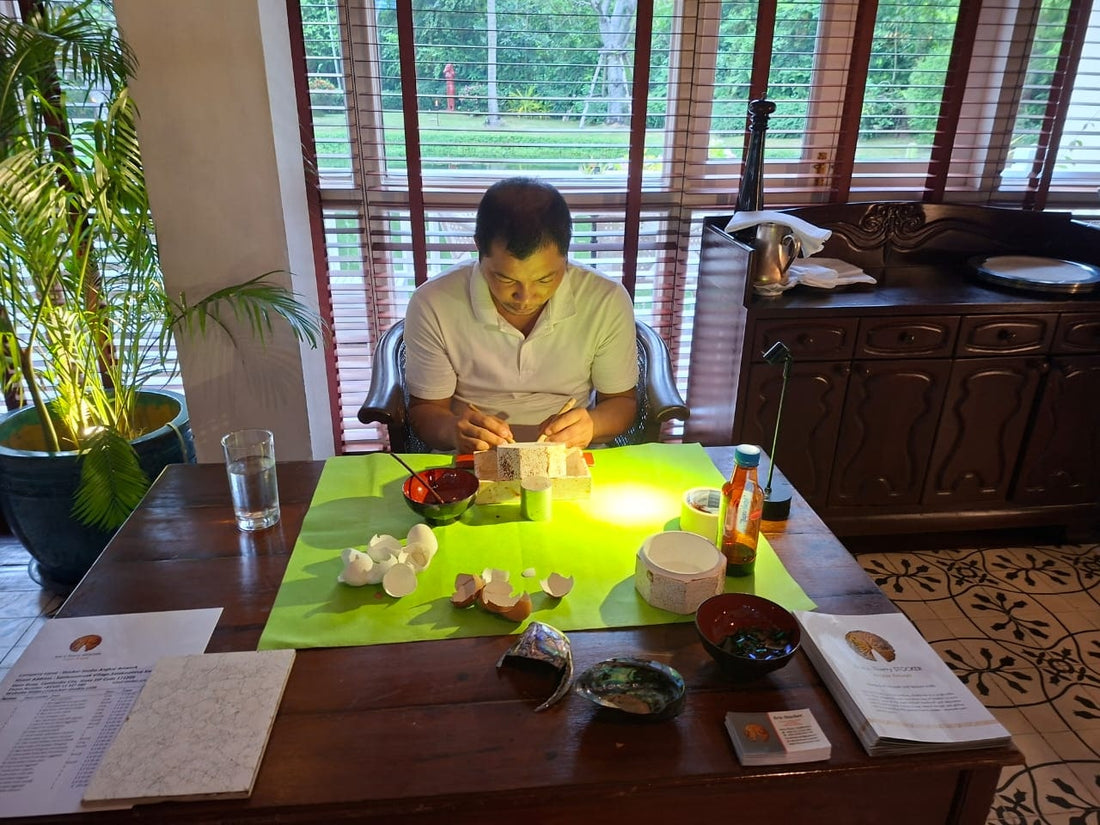
Inside the Workshop: Lacquer & Textures
Step inside the Stocker Studio atelier in Siem Reap. Watch Eric demonstrate ancestral lacquer techniques — from raw preparation to final polish. Fifty years of mastery in every...
The Carnet, by post.
One letter a season — never more — with the new entries, a piece from the archive, and an invitation when the workshop receives visitors.